
13
Nov
Nov
Read perfume colour changes in context, separating viewing conditions, material identity and possible chemistry from unsupported quality conclusions.
Read perfume colour changes in context, separating viewing conditions, material identity and possible chemistry from unsupported quality conclusions.

Understand the octanol/water ratio, the logarithmic scale and the volume trap before using logP to compare perfumery materials.

Separate study media, supplied dilutions and product bases, then compare the evidence that matters for the exact preparation.

Learn what fragrance families and facets describe, explore eight overlapping scent directions and turn broad labels into a more useful vocabulary.

Norlimbanol vs Norlimbanol Dextro The comparison between standard Norlimbanol (Firmenich) and Norlimbanol Dextro (Firmenich) involves stereochemistry and grade as well as dilution, dose, and behaviour in the finished formula. Material comparison Grade. Dose.Then the effect. Use the supplied preparation and the formula context to guide a useful comparison. GradesEffectsFormula trialsSummary 1. Chirality / Isomerism Standard […]

Frankincense can be a starting point for exploring resinous fragrance ideas. Rather than following a fixed recipe, choose a scent direction and compare how different partners change the character of your composition. The five directions below are creative study prompts. They are not tested finished-product formulas or instructions for applying essential oils to the skin, […]

A Beginner’s Guide to Perfume Blending Perfume Making Guide: Start With a Scent Study A perfume begins with an idea and a series of recorded trials. Start by learning how a few materials behave together before trying to make a finished product for skin use. Start with a study An idea. A record.A useful comparison. […]

Understanding Cosmetic Product Safety Reports (CPSR): Requirements, Responsibilities, and Assessors This guide explains Cosmetic Product Safety Reports (CPSR), the responsibilities of finished-product businesses and raw-material suppliers, and the distinction between legally required information and an assessor’s preferred document pack. Check the rules for your intended market. CPSR basicsSupplier roleSDS & evidenceChoosing an assessorCheat sheetReferences What […]
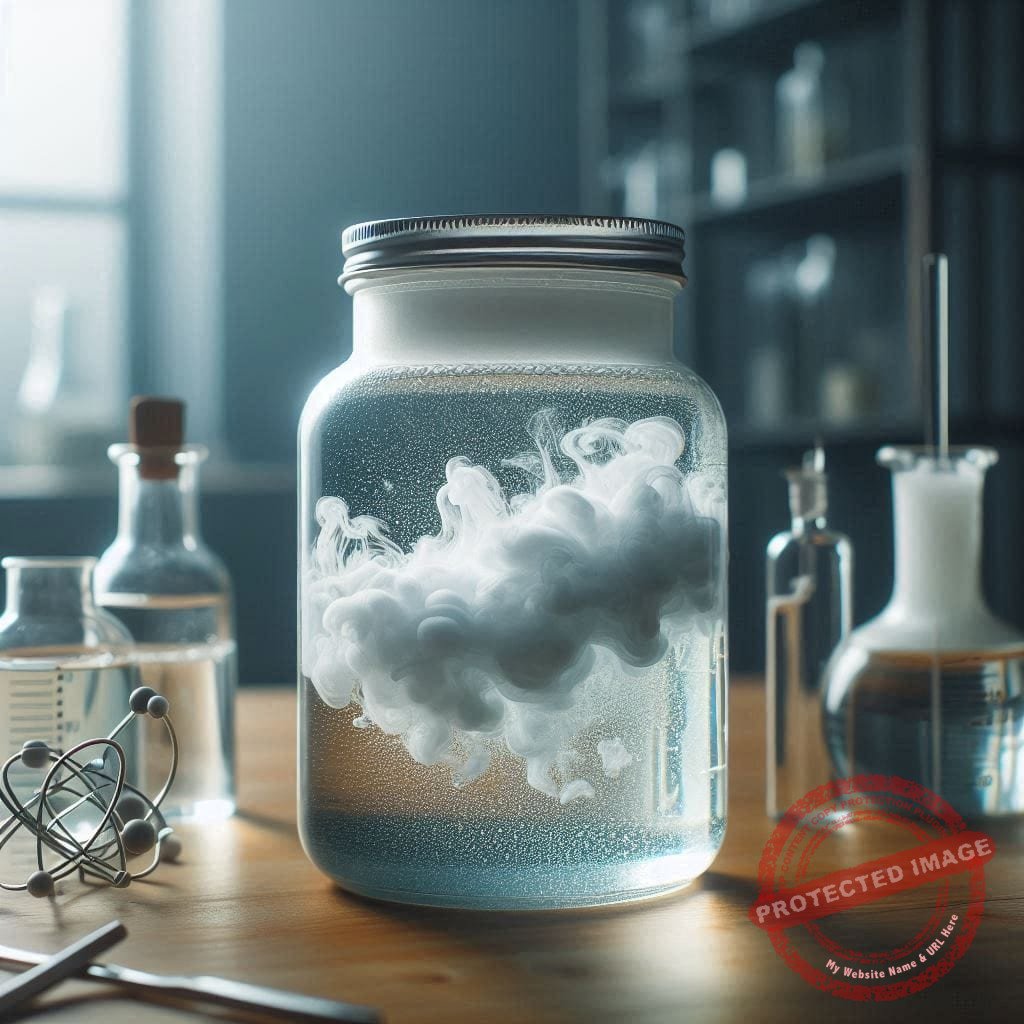
How to Combat Cloudy Dilutions in Perfume Making Achieving crystal-clear fragrance formulations with ease One of the most common and frustrating issues that perfumers face is cloudy dilutions. You’ve measured your ingredients carefully, followed your formula, and yet… the final solution turns cloudy instead of clear. Whether you’re crafting a fine fragrance, a cologne, or […]