Availability can vary by size. Solid and liquid filters include products with a confirmed physical form.

Odour description (decreasing): Woody, Amber, Ambergris‑like, Warm, Tobacco, Cedarwood, Sandalwood, Dry, Earthy, Patchouli, Powerful, Refined

Odour description (decreasing): Sweet, Anise, Warm, Herbal-spice, Liquorice, Mimosa, Aromatic, Herbaceous

Odour description (decreasing): Animalic, Musky, Leathery, Civet-like, Warm, Slightly Fecal, Woody

Odour description (decreasing): Fruity, Juicy, Apple, Pear, Plum, Grape

Odour description (decreasing): Fruity, Pineapple, Strawberry, Apple, Sweet, Tropical

Odour description (decreasing): Floral, Orange Blossom, Linden Blossom

Odour description (decreasing): Gourmand, Honey, Woody, Dried Flowers, Old Books, Orris

Odour description (decreasing): Powerful, True Sandalwood Note, Creamy, Floral, Woody
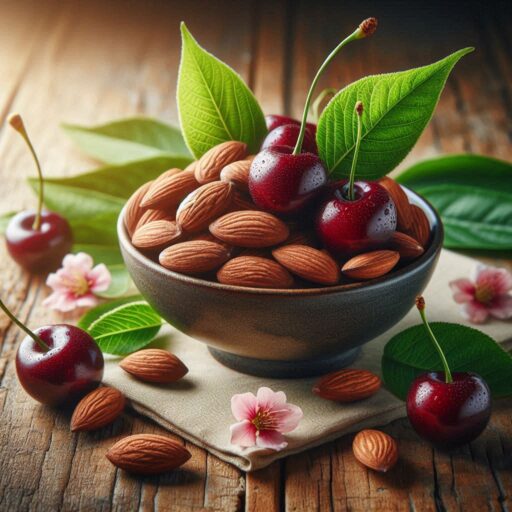
Odour description (decreasing): Sharp, Sweet, Bitter Almond, Cherry, Powerful
About Aroma Chemicals
Aroma chemicals are individual fragrance materials used to create structure, diffusion, texture and lasting character within a perfume formula. They can be produced from natural sources or through synthesis and are commonly combined with essential oils, absolutes and other perfumery ingredients.
Building a Fragrance
From fresh citrus and delicate florals to woods, ambers and musks, aroma chemicals allow perfumers to shape each stage of a composition. Some provide a recognisable note, while others improve projection, longevity or the transition between ingredients.
Choosing Your Materials
Odour perception is subjective, so we recommend exploring unfamiliar materials in the smallest available size first. Always check the product description, stated concentration and available technical documentation before use.