

Carvacrol
Price range: £7.99 through £179.99
Odour description (decreasing): Spicy, Herbaceous, Oregano, Woody, Camphoraceous, Phenolic
- Description
- Additional information
- Reviews (0)
- Safety Information
- Datasheets
- Supplementary Documentation
- Disclaimer
Carvacrol
Carvacrol is a forceful aromatic material with the dry warmth of oregano, crushed herbs and sunlit wood.
Its phenolic intensity can bring startling realism to botanical accords, adding the bitter-green shadow that distinguishes a living herb from a simple fresh note.
Used in trace amounts, it creates lift, dryness and tension.
The material can make lavender and rosemary feel more textured, deepen a smoky wood or introduce a distinctly Mediterranean edge to an aromatic composition.
Carvacrol is most compelling when treated as an expressive shadow rather than a conventional fresh herb note.
It brings the suggestion of crushed leaves, warm stone and resinous stems, giving an aromatic fragrance character and conviction.
Odour profile
The odour is pungent, spicy and herbaceous, with woody, camphoraceous and phenolic facets.
Oregano and thyme associations are immediate, followed by a warm, dry character that can read as medicinal if allowed to dominate.
The opening is immediate and uncompromising, combining oregano-like herbaceousness with dry spice and a cool medicinal edge.
Its force gives the impression of essential oils released from leaves under pressure.
Beneath that intensity lies a warmer woody-phenolic body.
In careful dilution, camphoraceous freshness, bitter greenery and sun-dried herb nuances separate, creating a far more dimensional material than its first impact suggests.
Using Carvacrol in perfumery
Carvacrol is best approached as a precision material for aromatic, fougère, herbal, woody and smoky structures.
It can strengthen the backbone of lavender, sage and rosemary themes, or add a dry, challenging accent to leather, incense and patchouli accords.
In Mediterranean aromatic accords, it can give lavender, rosemary, sage and thyme a convincing wildness.
It is also useful for adding dryness to citrus-herbal colognes where a smooth, decorative freshness would feel too polite.
Trace use in leather, incense, patchouli and charred woods can create a compelling sense of smoke, bark and bitter resin.
Its recognisable character demands space, making dilution and staged evaluation essential to a refined result.
Creative pairings
Explore Carvacrol with lavender, clary sage, rosemary, thyme effects, bergamot, black pepper, cedarwood, patchouli, vetiver, incense and leather notes.
Careful dilution is central to preserving its sophisticated herbal detail.
Brighten it with bergamot, lemon, lavender and juniper, or deepen it with black pepper, cedar, vetiver, patchouli and incense.
A small floral counterpoint, such as rose or orange flower, can create an unexpected tension between petals and aromatic heat.
Product specification.
CAS No: 499-75-2
Odour Description (decreasing): Spicy, Herbaceous, Oregano, Woody, Camphoraceous, Phenolic
Odour Strength: Medium
Usage: Spicy herbal accords, dry aromatic woods and precise oregano-like accents.
Typical Use Percentage: 0.5% – 1.00%
Substantivity: 250+ hour(s) at 100%
Solvent: None
Flash Point: 104 °C
Physical Form: Colourless to yellow orangish, clear mobile liquid
Synonyms: Carvacrol; 5-Isopropyl-2-methylphenol
Name: Carvacrol
Molecular Formula: C₁₀H₁₄O
Molecular Weight: 150.22 g/mol
IFRA: Refer to latest IFRA guidelines and product-specific IFRA certificate for safe use levels.

Signal word: Warning
Hazard statements
- H302 Harmful if swallowed.
- H315 Causes skin irritation.
- H317 May cause an allergic skin reaction.
- H319 Causes serious eye irritation.
Precautionary statements
- P261 Avoid breathing vapour or dust.
- P264 Wash hands and other contacted skin thoroughly after handling.
- P270 Do no eat, drink or smoke when using this product.
- P272 Contaminated work clothing should not be allowed out of the workplace.
- P280 Wear protective gloves/eye protection/face protection.
- P301/312 IF SWALLOWED: Call a POISON CENTER or doctor/physician if you feel unwell.
- P302/352 IF ON SKIN: Wash with plenty of soap and water.
- P305/351/338 IF IN EYES: Rinse cautiously with water for several minutes. Remove contact lenses, if present and easy to do. Continue rinsing.
- P330 Rinse mouth.
- P333/313 If skin irritation or rash occurs: Get medical advice/attention.
- P337/313 If eye irritation persists: Get medical advice/attention.
- P362 Take off contaminated clothing and wash before reuse.
- P501 Dispose of contents/container to: approved disposal site.
Important: For professional formulation use. Review the Safety Data Sheet before handling, storage or use.
| Volume | 10ml, 30ml, 100ml, 250ml, 500ml, 1l |
|---|
Dilution Information
The suffix D forms part of the product name and indicates that the material is supplied as a dilution rather than at full strength.
POD = Precious Oil Dilution, typically intended for aromatherapy applications.
AOD = Absolute Oil Dilution, indicating that the product is supplied as a diluted absolute.
The dilution ratio and carrier/solvent are stated within the product specification and will also be shown on the product label.
IMPORTANT: Customers should always rely on the product specification when confirming the concentration and carrier/solvent supplied.
While we endeavour to ensure that product names and suffixes accurately reflect the material supplied, the product specification (including the stated dilution ratio and carrier/solvent) shall take precedence in the event of any omission, abbreviation, naming variation, or delayed update to a product title.
Please ensure you have selected the correct material, concentration, dilution ratio and carrier/solvent before completing your purchase.
Professional Use Only: For perfumery use. Do not apply directly to skin. Not for ingestion. Store Upright. Keep away from children.
A Safety Data Sheet (SDS) is available to logged in users who have purchased this item, where applicable.
Please note that supplementary documentation—including, but not limited to, IFRA Certificates, Certificates of Analysis (CoA), Allergen Declarations, and other regulatory or compositional data—may not be available for all products. Refer to the "Supplementary (Additional) Documentation" tab to check current availability. If the tab is not present, no supplementary documents are available for the material.
Customers intending to use materials in cosmetic applications, including for the preparation of a Cosmetic Product Safety Report (CPSR) under UK and EU Cosmetics Regulations, must contact us prior to purchase to confirm the availability and suitability of any required documentation where it is not explicitly stated. Orders must not be placed in reliance on the assumption that such documentation will be provided where it is not explicitly stated on the relevant product page at the time of purchase.
By proceeding with a purchase without prior written confirmation, you acknowledge and accept that documentation beyond the legally required SDS may not be supplied, and you agree that Perfume Extract shall not be held liable for the absence of such documentation or for any inability to complete regulatory requirements, including CPSR or product compliance obligations.
Products are supplied in accordance with our Documentation Supply Policy
The following supplementary documentation is available as a download to logged in users who have purchased this item:
- IFRA
- ALLERGEN
Perfume Extract is solely a reseller of this product and is not an agent, official distributor, or affiliated in any way with the manufacturer.
Related products

Odour description (decreasing): Velvety, Silky, Woody, Dry, Ambergris, Lemon, Floral. Diffusive, Voluminous & Fixative
This product has multiple variants. The options may be chosen on the product page
Low odour, high quality grade diluent.
This product has multiple variants. The options may be chosen on the product page
Perfumer's Alcohol
This product has multiple variants. The options may be chosen on the product page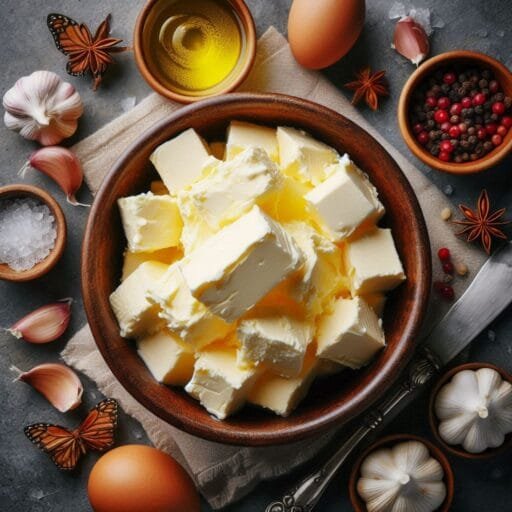
Odour description (decreasing): Rancid Butter, Sour
This product has multiple variants. The options may be chosen on the product page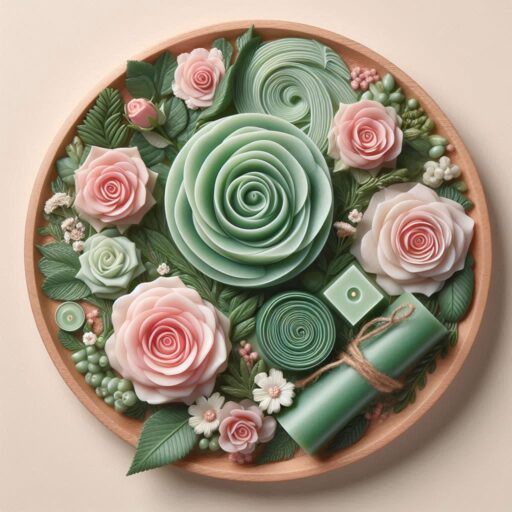
Odour description (decreasing): Floral, Rose, Fresh, Sweet, Green, Waxy, Leather
This product has multiple variants. The options may be chosen on the product page
Odour description (decreasing): Velvety, Silky, Woody, Dry, Ambergris, Lemon, Floral. Diffusive & Fixative
This product has multiple variants. The options may be chosen on the product page
Odour description (decreasing): Sharp, Sweet, Bitter Almond, Cherry, Powerful
This product has multiple variants. The options may be chosen on the product page
Odour description (decreasing): Sweet, Vanilla, Vanillin, Powdery, Chocolate, Powerful.
This product has multiple variants. The options may be chosen on the product page
Odour description (decreasing): Sandalwood, Creamy, Warm, Sweet, Velvety, Soft. Powerful, Diffusive & Fixative
This product has multiple variants. The options may be chosen on the product page
Odour description (decreasing): Sweet, Fruity, Ethereal, Buttery, Butterscotch
This product has multiple variants. The options may be chosen on the product page
Odour description (decreasing): Sweet, Floral, Spicy, Balsamic, Slightly Phenolic
This product has multiple variants. The options may be chosen on the product page
Odour description (decreasing): Amber, Ambergris, Woody, Dry, Clean, Diffusive & Fixative
This product has multiple variants. The options may be chosen on the product page
Reviews
There are no reviews yet